
How Pool Design Choices Influence Comfort, Flow, and Function
Search
Search Search
Categories
Categories Architectural & Design-Based Pools Custom Aesthetic Finishes Edge & Overflow Pools Fiberglass Pools Flexible & Artistic Styles Freeform Pools Geometric Pools Modernization & Equipment Upgrades Perimeter Overflow Pools Pool Add Ons Pool Automation Technology Pool Building Pool Maintenance Pool Remodeling Pool Repair Salt Chlorine Generators Saltwater Conversion Tile, Coping & Finish Upgrades
Latest post
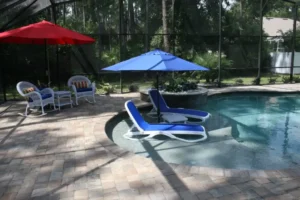

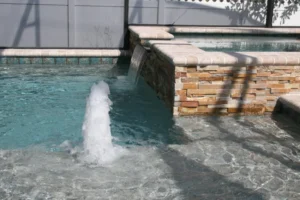
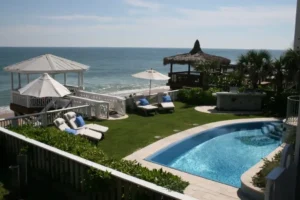
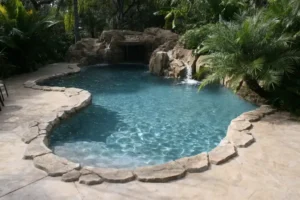
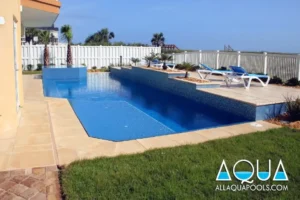

Explore how different pool design features affect the way your space looks, feels, and functions. From layout to lighting, see how thoughtful choices can improve everyday use. Every backyard tells a story. For some, it’s where weekends begin. For others, it’s where quiet evenings unfold after long days. At the center of many of these spaces is a pool — not just as a water feature, but as a place that sets the tone for the entire outdoor experience. When thoughtfully designed, a swimming pool becomes more than a structure. It becomes part of how a home is lived in. Today’s swimming pool design is as much about lifestyle as it is about function. Years ago, design was often secondary to installation. Shapes were limited. Layouts followed a standard template. But that’s changed. Now, pools are crafted to reflect how people want to feel in their own space — relaxed, connected, refreshed. Some homeowners begin with a feeling in mind. They imagine a place where morning light dances across still water, or a setting that draws friends and family together without needing much more than good weather and a few chairs. These feelings turn into features. A tanning ledge here. A vanishing edge there. Seating built into the shallow end. Lighting that shifts from crisp and bright to soft and warm. It’s not just water and walls — it’s experience. One of the biggest transformations in pool design is the way it integrates with architecture and landscaping. Rather than being an isolated feature, the pool often mirrors the shape and flow of the home itself. In minimalist homes, you’ll often see geometric pools with clean lines and subtle finishes. In more traditional settings, curves and organic materials create a natural transition into the landscape. Each approach works — what matters is how the design fits into the rhythm of the space. Structural additions play a huge role in elevating these designs. Raised spas allow for layered movement and create visual anchors. Perimeter overflows erase the edge, creating a seamless waterline that blends with the surroundings. Sunken seating areas inside the pool allow for conversation while partially submerged. Built-in tables, dry decks, and shallow lounging areas change how the pool is used throughout the day — whether it’s swimming, relaxing, or hosting guests. Material selection also tells a story. Glass tile reflects light in ever-changing ways. Natural stone offers warmth and texture. Interior finishes in soft gray, deep blue, or sand tones shape the feel of the water — turning it from bright and crisp to calm and reflective. These choices affect how the pool looks at every hour of the day, and even across seasons. Lighting is another design element that has evolved. It’s no longer just for safety or function — it’s for atmosphere. Subtle in-pool lighting can highlight shapes and transitions, while perimeter fixtures set the mood beyond the water. Some designs incorporate lanterns, recessed fixtures, or fire elements nearby — not for drama, but for balance. The way light plays off the water is often what makes the space feel alive at night. Technology quietly enhances the design. While the visual experience remains central, automation simplifies ownership. Remote controls for lighting, temperature, and cleaning keep everything in check without interrupting the space. Integrated covers protect the pool without disrupting the design lines. Variable speed pumps and smart filtration maintain water quality while staying energy-conscious. Surrounding features are just as important as what’s in the pool. The deck sets the stage — whether it’s porcelain tile, brushed concrete, or wood. Planters and greenery soften the borders, while fencing and shade structures create privacy and comfort. Some pool designs extend into outdoor kitchens, covered patios, or fire pits — creating an entire environment rather than a single focal point. Another trend shaping pool design is indoor-outdoor flow. In warmer climates especially, pools are designed as true extensions of the living room or kitchen. Large sliding doors open directly to the pool area. In some homes, water features even begin inside and spill outward. It’s not about luxury for its own sake — it’s about space that feels continuous, where boundaries disappear. And then there’s shape. Not long ago, rectangular and kidney-shaped pools dominated. Today, shapes are often dictated by the space itself — long and narrow for lap swimming, wide and shallow for families, curved and compact for tighter urban lots. Freeform pools still have their place, especially in naturalistic landscapes, but many designs now prioritize lines that mirror existing structures. Design can also be guided by how the pool will be used. A family with young children may want a larger shallow area and wide steps. Someone who swims daily might prioritize lane space and unobstructed length. Those who entertain often look for integrated seating and multiple entry points. The beauty of custom design is that it doesn’t follow a formula — it follows function. Seasonal and regional influences matter too. In hot, sunny locations, shade structures and water-cooled features become essential. In coastal areas, materials must handle salt and moisture. Elevation, wind, and sun patterns can all influence how a pool is designed, where it sits, and how it’s used throughout the day. Swimming pool design is full of choices — but it doesn’t need to feel overwhelming. It begins with questions: How do you want the space to feel? What will you do there on a regular day? What view do you want from inside the house? With the right questions, the right answers follow. A well-designed pool isn’t always the largest or the most elaborate. Sometimes, it’s the one that feels effortless. The one that draws you outside in the morning, keeps you there until the sun goes down, and asks nothing more than to be enjoyed.
Leave a Reply Cancel reply Your email address will not be published. Required fields are marked * Comment * Name * Email * Website Save my name, email, and website in this browser for the next time I comment. Δ
Your pool, done right
You’ve Imagined It. Now Build it.
Tell us about your home, vision, and goal. We’ll help you bring your backyard vision to life.