
Custom Pool Builders and Architectural Design: Creating Pools That Match Your Home’s Style
Search
Search Search
Categories
Categories Architectural & Design-Based Pools Custom Aesthetic Finishes Edge & Overflow Pools Fiberglass Pools Flexible & Artistic Styles Freeform Pools Geometric Pools Modernization & Equipment Upgrades Perimeter Overflow Pools Pool Add Ons Pool Automation Technology Pool Building Pool Maintenance Pool Remodeling Pool Repair Salt Chlorine Generators Saltwater Conversion Tile, Coping & Finish Upgrades
Latest post
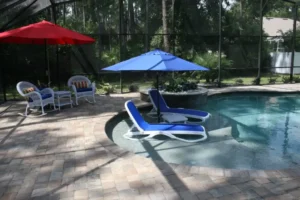

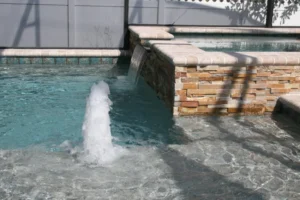
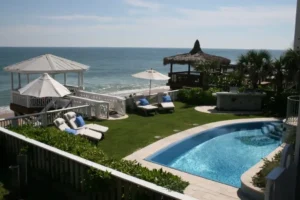
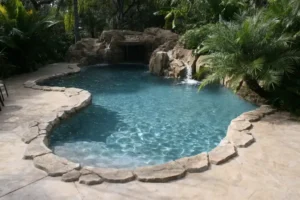
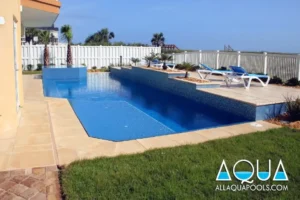

When homeowners imagine their dream backyard, they don’t picture a random rectangle of water dropped somewhere behind the house. They picture a pool that belongs —a design that looks like it was always meant to be there. That’s where experienced custom pool builders stand apart from basic “package pool” installers. A well-designed custom pool isn’t just a standalone amenity. It’s an extension of your home’s architecture, layout, and lifestyle . When pool design is guided by the same principles that shape the house—proportion, symmetry, sightlines, and material choices—the result feels natural and elevated, rather than pieced together. For Florida homeowners, especially in coastal and design-sensitive neighborhoods, this architectural alignment is the difference between a generic backyard and a truly integrated outdoor environment. All Aqua Pools Below, we’ll look at how custom pool builders approach architectural design, what they pay attention to, and which design choices help a pool feel like a seamless continuation of the home. Why Architectural Alignment Matters in Pool Design A pool is a permanent structure. Once it’s in the ground, it influences how you move, where you gather, and what you see every time you look out a window. If it doesn’t complement the house, the disconnect is obvious: A highly modern home paired with a busy, curvy, faux-natural pool A coastal or Mediterranean-style property with stark grey concrete and no warmth in the finishes A symmetrical facade facing an off-center, oddly angled pool that fights the geometry of the house Architecturally aligned pool design solves these issues by treating the pool as part of the overall composition , not just an add-on. Custom pool builders consider: The style and massing of the home The axes and sightlines from key rooms to the backyard The elevation changes, lot shape, and setbacks The surrounding hardscape and landscape possibilities This approach creates harmony: the house and pool read as a single, intentional environment instead of two unrelated projects built at different times. Many high-end pool contractors in Florida explicitly position themselves as partners in architectural design for exactly this reason. All Aqua Pools+1 Reading Your Home’s Style: How Custom Pool Builders Start the Design Before drawing the first line, skilled custom pool builders spend time understanding the language of your home . That includes more than just “modern” or “traditional.” They look at: Rooflines and structural rhythm – Are there strong horizontal lines? Repeating vertical elements like columns? A centered entry? Window and door patterns – Large expanses of glass, or smaller punched openings? Symmetrical or asymmetrical? Material palette – Stucco, brick, stone, metal, wood, or a combination? Warm tones or cool tones? Architectural details – Arches, clean angles, deep overhangs, exposed beams, decorative trim, or very minimal forms? From there, pool form and detailing can be dialed in to support the architecture: Modern / contemporary homes Clean-lined rectangular or geometric pools Perimeter overflow or straight-edged coping Minimal color palette, smooth finishes, and integrated LED lighting Coastal / beach-style homes Soft geometry or well-proportioned rectangles aligned with ocean views Tanning ledges , shallow lounging areas, and light-colored aggregates that feel bright and relaxed Materials that handle salt air, wind, and sun without deteriorating prematurely Mediterranean / Spanish-inspired homes Pools that echo courtyard forms or central axes Warm-toned tile, stone coping, and classic waterline details Integrated fountains or scuppers that match traditional architectural accents By reading and respecting the house first, custom pool builders ensure the pool supports the story the architecture is already telling , instead of competing with it. How Custom Pool Builders Collaborate With Architects and Designers On more complex projects, especially custom homes or significant renovations, custom pool builders often work in tandem with: Residential architects Landscape architects Interior designers This collaboration is especially valuable when the pool is meant to be visible from major interior rooms like living areas, primary bedrooms, or great rooms. The team can align: View corridors – What does the homeowner see when they look straight out the main sliders or picture windows? Floor elevation and pool deck height – How do indoor floors connect visually and physically to the outdoor space? Traffic flow – How do people move between kitchen, dining, outdoor kitchen, pool, and side yards? Custom pool builders familiar with 3D design and visualization can translate these discussions into detailed pool concepts that show not just the shape of the water, but also the relationship between the pool, house, and surrounding elements . Many luxury builders use 3D design tools precisely so clients can understand how the pool will feel from inside and outside the home. This is where true customization happens: stair placement, sun shelf locations, spa positioning, and even the angle of the pool itself are all decided with the bigger architectural picture in mind. Design Elements That Tie a Custom Pool to Your Home’s Architecture Once overall form and placement are established, details are what make the pool feel architecturally intentional. Custom pool builders carefully choose and coordinate elements such as: 1. Shape and Geometry Rectangular and linear pools complement modern, mid-century, or coastal-contemporary homes with strong horizontal lines. Softly contoured or freeform pools can work well with lush landscaping and more relaxed architectural styles—provided they don’t clash with a rigid, highly geometric facade. The key is to reflect or gently counterbalance the house’s geometry, not ignore it. 2. Coping, Decking, and Hardscape The materials around the pool are just as important as the pool itself. Consistency or thoughtful contrast with the home’s materials goes a long way: Matching or coordinating stone with the home’s column bases, steps, or porch surfaces Choosing pavers or slab layouts that line up with window grids, door openings, or structural bays Using textured, slip-resistant finishes that also visually match the architectural tone of the house Visually, it’s ideal when the pool deck feels like a continuation of the home’s outdoor “floor,” not a separate patch. 3. Water Features and Architectural Accents Water features can either elevate an architectural concept or clutter it: On a modern home , a simple sheet waterfall, narrow scupper, or linear raised wall with minimal detailing tends to work best. On a traditional or Mediterranean-inspired home , tiled scuppers, curved raised walls, or classic bowl fountains can echo existing arches or ornamentation. Custom builders focus on scale and repetition : a feature that mirrors the rhythm of columns or window bays will feel integrated rather than random. 4. Lighting and Nighttime Composition At night, the pool often becomes the primary visual element in the yard. Builders who think architecturally consider: How underwater LEDs align with the pool’s geometry and the home’s exterior lighting scheme Whether the reflections in the water frame the house in a flattering way How path lights, step lights, and accent lighting on walls or planters work together as a single nighttime composition The goal is a unified after-dark environment where the house and pool feel like a coordinated scene, not a bright pool sitting next to a dark, disconnected structure. 5. Elevation Changes and Retaining Elements In lots with slopes or views, elevation becomes a major architectural tool. Custom pool builders may use: Perimeter overflow edges to visually merge the pool with distant views Raised walls or planters that match the home’s stucco, stone, or trim Tiered decks that step down from the house in a way that feels like a natural extension of the interior floor plan Handled correctly, these structural moves can make even challenging lots feel intentional and composed. Interior Features That Reflect Lifestyle and Architecture Architecture isn’t just about how a house looks from the street—it’s about how people live inside it . The same applies to pools. Custom pool builders match interior pool features to the way the home is used: A family-focused home with an open-plan great room might pair well with a tanning ledge directly in front of the main sliders, where adults can lounge while watching kids. A home with a dedicated outdoor entertaining zone may benefit from a swim-up bench near the outdoor kitchen or conversation area. A more private, spa-like home design might emphasize an integrated raised spa tucked close to a master suite or sheltered patio. When these features line up with existing or planned outdoor furniture arrangements, kitchen appliances, fire features, and shade structures, the pool feels like a natural continuation of daily life. Common Design Mistakes Custom Pool Builders Help Avoid A big part of the value that experienced custom pool builders bring is preventing choices that look good in isolation but fail in context. Common pitfalls include: Ignoring the house’s main axis – Placing the pool at an angle that doesn’t relate to the rear elevation, making the yard feel visually “crooked.” Overloading the design with features – Adding raised walls, multiple spillways, fire bowls, and bold materials all at once, overwhelming simpler architecture. Mismatched materials – Mixing too many unrelated finishes or choosing colors that clash with the roof, trim, or siding. Underestimating scale – Designing a tiny pool for a large, imposing home (or an oversized pool for a modest structure), which throws off the overall balance. Neglecting practical flow – Forgetting about where towels go, how people move from the kitchen to the pool, or how service access works for maintenance. By stepping back and treating the pool as part of the home’s overall design story, custom builders help homeowners avoid these long-term frustrations. A Pool That Belongs to the Architecture—Not Just the Backyard The difference between a standard installation and a truly custom design is rarely about one dramatic feature. It’s about dozens of small, disciplined decisions that respect the architecture of the home and the way the owners live. When custom pool builders start with the house—its style, proportions, materials, and sightlines—they’re able to create pools that: Look like they were built at the same time as the home Feel balanced and comfortable to move around Support outdoor kitchens, lounging, dining, and entertaining Hold up aesthetically and functionally for years, even as trends change For homeowners, that means the pool doesn’t just fill a spot in the yard—it becomes a natural extension of the home itself, reinforcing its character and making everyday life outdoors feel both intentional and elevated.
Leave a Reply Cancel reply Your email address will not be published. Required fields are marked * Comment * Name * Email * Website Save my name, email, and website in this browser for the next time I comment. Δ
Your pool, done right
You’ve Imagined It. Now Build it.
Tell us about your home, vision, and goal. We’ll help you bring your backyard vision to life.